

How to Choose a Booster Pump Station Manufacturer: What Engineers and Utilities Should Ask
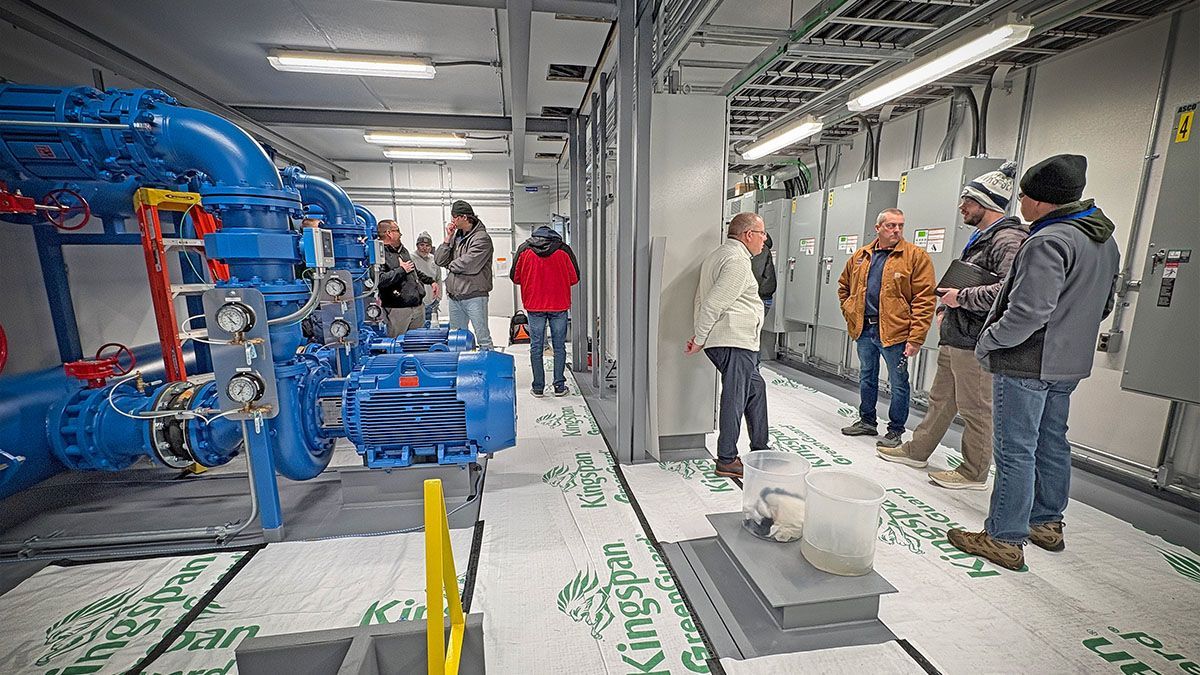
Choosing a booster pump station manufacturer takes more than comparing pump curves. This guide is for consulting engineers, utility managers, and contractors building a shortlist. It covers eight things to evaluate, from custom engineering and factory testing to BABA documentation, controls, and long-term support.
In this guide
Start With Your Project Requirements
Before you make contact, gather:
- Flow range, discharge pressure, and incoming (suction) pressure
- System demand and expected growth
- Site conditions: space, soil, groundwater, climate, and delivery access
- Available power and backup power plans
- Specification, funding source, and local code requirements
- Controls and SCADA requirements
- When the station needs to be in service
Eight Things to Evaluate in a Booster Pump Station Manufacturer
1. Custom Engineering, Not Just a Catalog
Few booster stations are identical, so a manufacturer that only sells a fixed design may force compromises. Ask:
- Do they have in-house application, mechanical, electrical, and controls engineering?
- Will you receive shop drawings for approval before fabrication?
- Can they build to your specification, including pumps, valves, piping, and layout?
2. Factory Testing and Quality Control
A prefabricated station is only as good as the testing behind it. Customers can attend factory acceptance testing at EFI-Solutions in Centralia, Illinois.
- What is tested before shipment (pressure and leak testing, electrical checks, and control sequences), and are results documented?
- Is the station fully assembled and fit up before shipment?
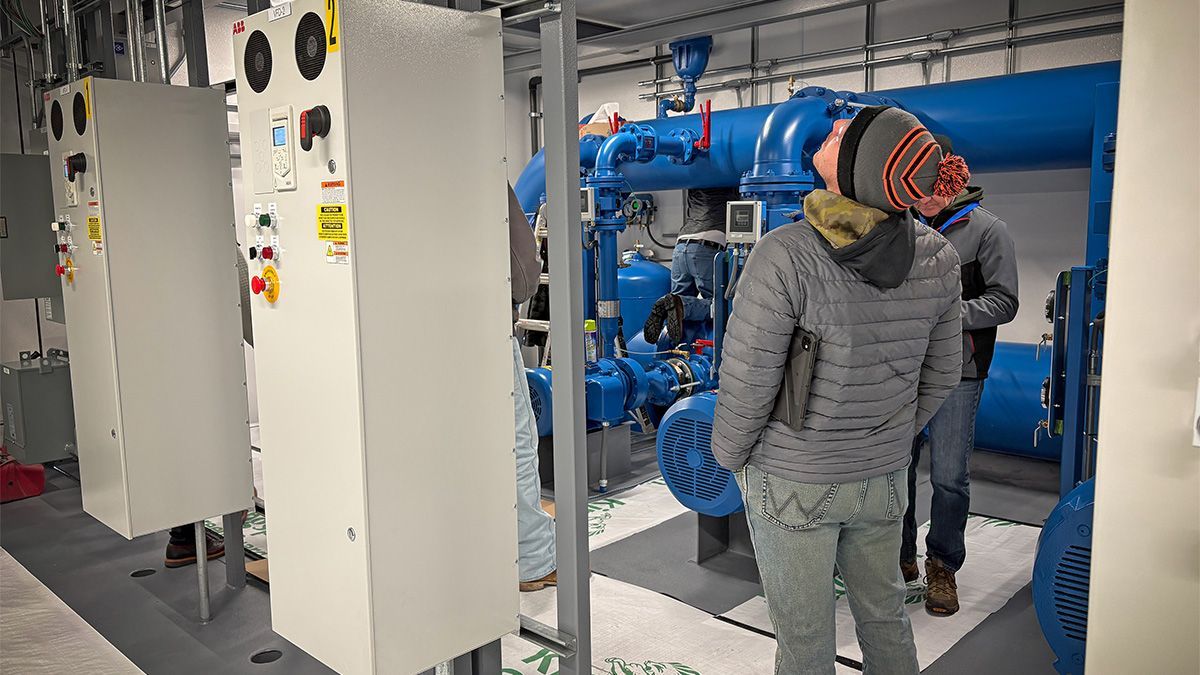
- Do control panels carry a recognized listing, such as UL, and can you witness testing?
3. BABA and Domestic Content Documentation
If federal funds are involved, Build America, Buy America (BABA) applies domestic content preferences to iron, steel, manufactured products, and construction materials. Ask what documentation will be provided for your project, in writing.
- Where is the station designed, fabricated, assembled, and tested?
- Will they identify sourcing and documentation needs before manufacturing?
- Can they provide certifications and supporting records for your specifications?
4. Controls, SCADA, and Telemetry Integration
The controls are how operators live with a station for decades. A station that cannot communicate with your system creates a retrofit problem on day one. Ask:
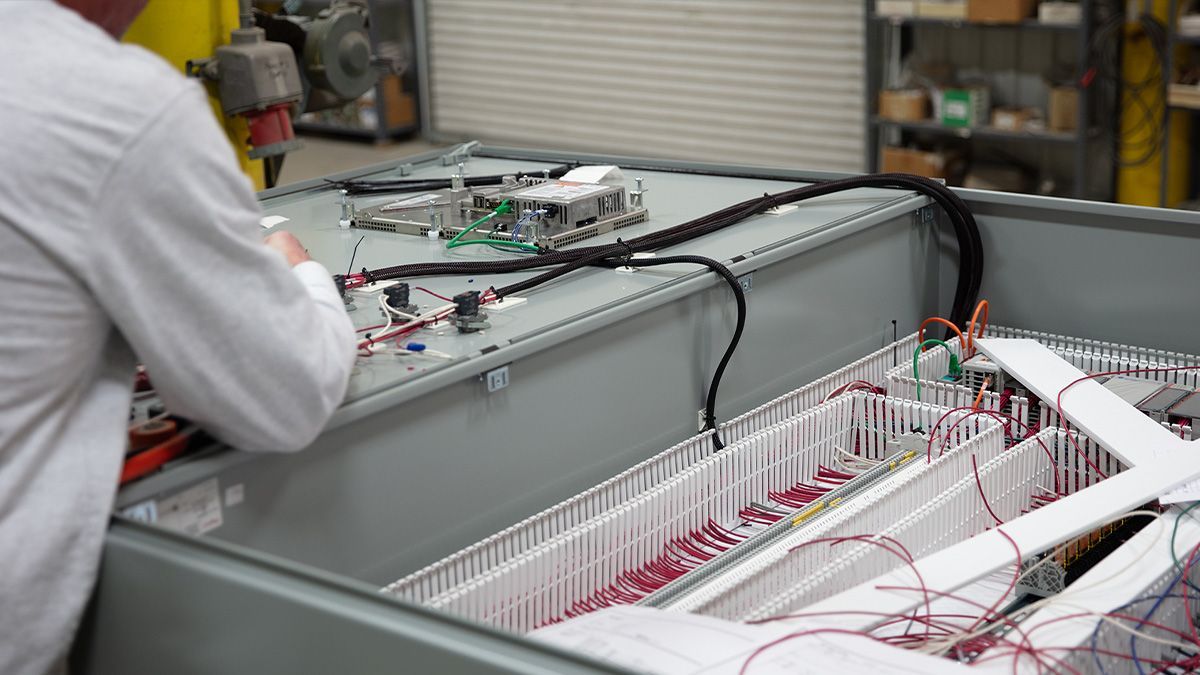
- Are control panels built in-house, and can they integrate with your SCADA, PLC, HMI, and telemetry?
- Which conditions are monitored, and how are alarms and remote access handled?
- Who programs and commissions the system?
5. Enclosure and Station Type
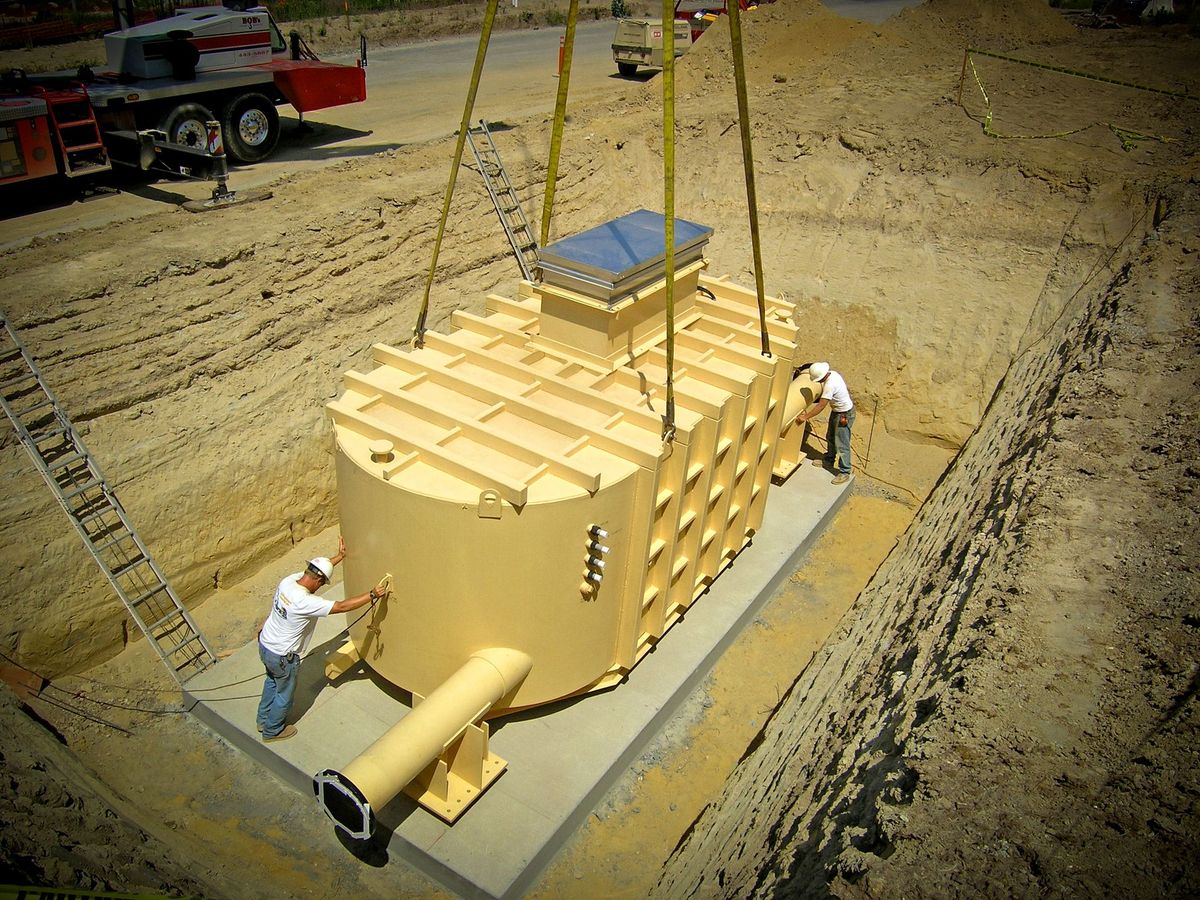
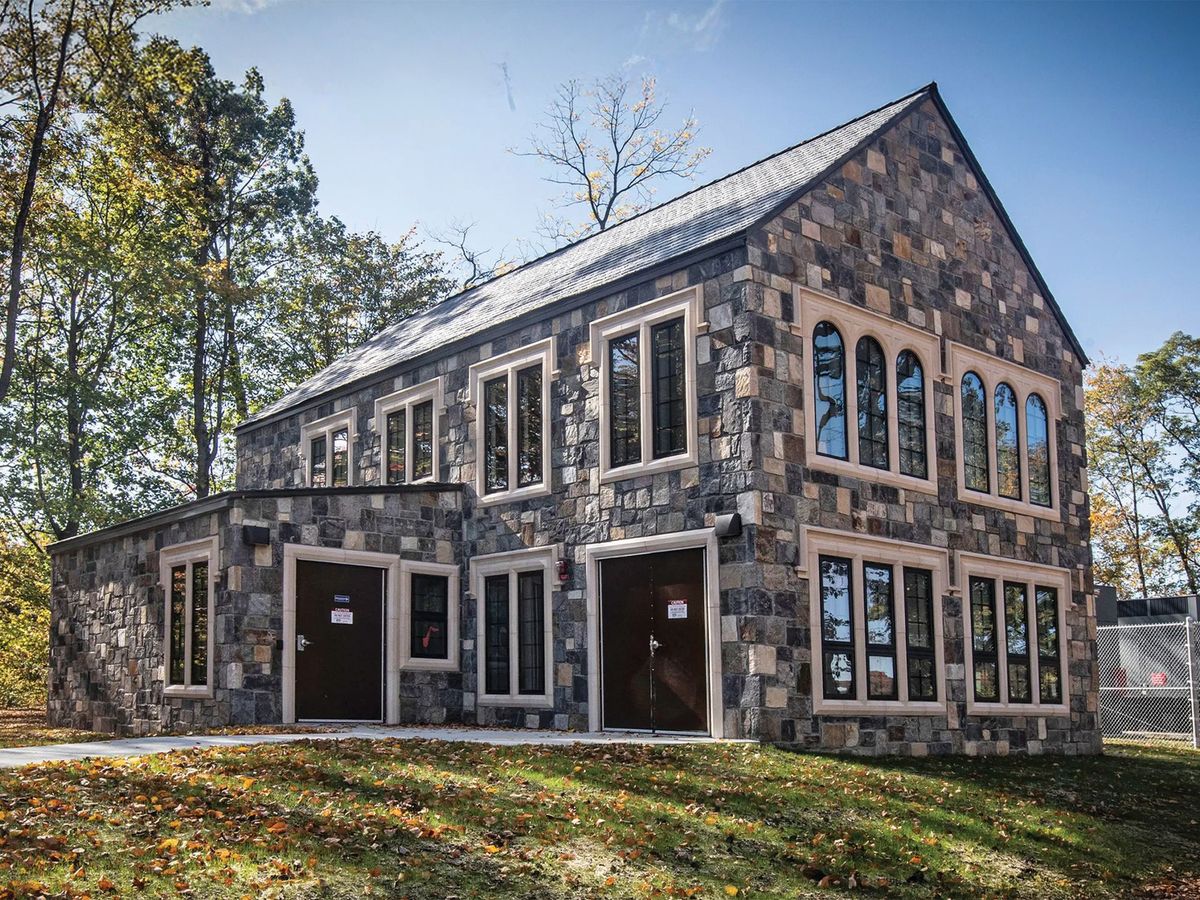
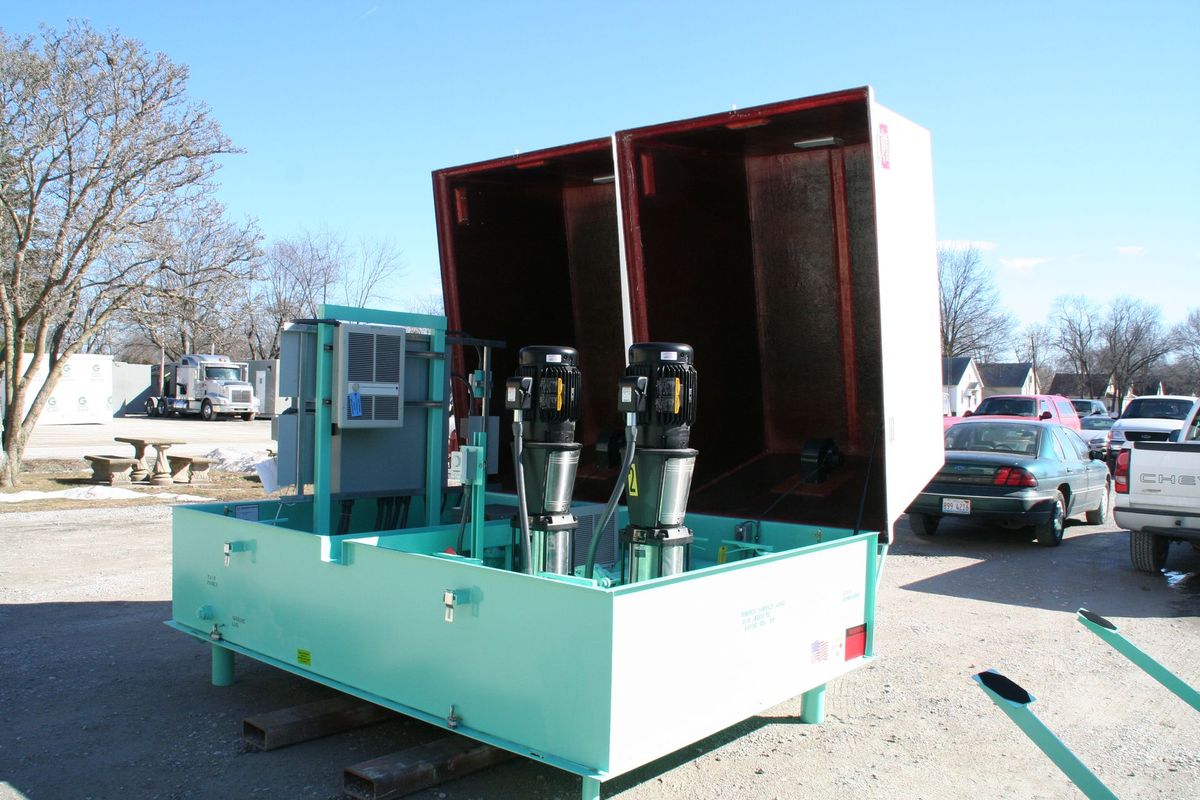
The right station type depends on your site. Common options include above-grade buildings, below-grade steel capsules, multi-section stations, skid-mounted systems, and compact tilt-back stations. Ask:
- Which types do they build, and why recommend one for your site?
- How do access, climate, space, and, for below-grade stations, burial loads and groundwater factor in?
- What heating, ventilation, lighting, and siding or roof options are available?


6. Shipping, Delivery, and Installation Support
A prefabricated station still has to get to the site and be set. Ask:
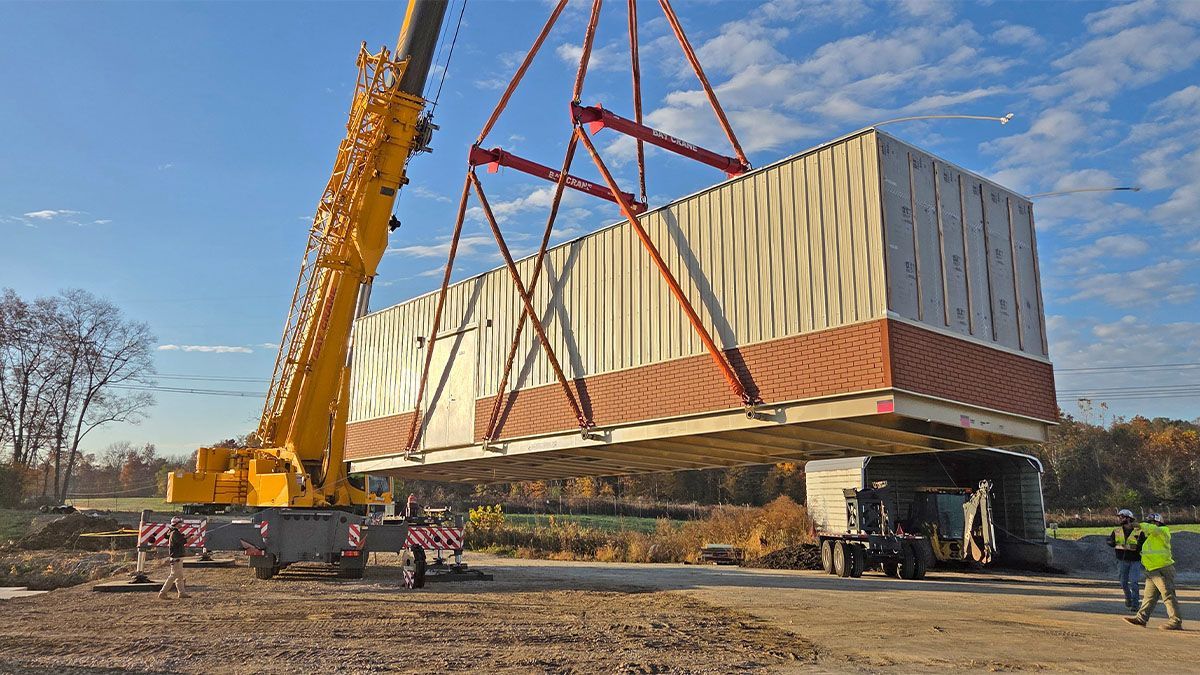
- Does it ship in one piece or in sections, and who handles routing, lifting, and crane coordination?
- For multi-section stations, how are sections fit up and match-marked at the factory?
- Who handles the foundation, utilities, and final connections, and is installation support available?
7. Startup, Service, and Long-Term Support
Support after delivery matters. Ask:
- What startup, commissioning, operator training, and warranty terms are provided?
- Are field service and replacement parts available?
- How long are project records, drawings, and O&M manuals kept?
8. References and Similar Projects
Ask for projects similar in size, type, and application, and a way to speak with the engineer or owner. Look for specifics: duty point, schedule, site constraints, and what the manufacturer did about them.
Booster Pump Station Manufacturer Checklist
- In-house engineering and approved shop drawings
- Ability to build to your specification
- Documented factory testing before shipment
- In-house control panels with a recognized listing
- BABA documentation for your project, if required
- SCADA, PLC, HMI, and telemetry integration
- Station type, enclosure, shipping, and installation support
- Startup, training, warranty, field service, records, and references
Where EFI-Solutions Fits
Since 1964, EFI-Solutions has designed and built custom-engineered, prefabricated water system solutions in Centralia, Illinois. Our in-house team handles process analysis plus mechanical, electrical, and controls design, working from approved shop drawings. We fabricate, assemble, and test every station under one roof, and every station is hydrostatically tested and factory tested before it ships. When federal funding is involved, we support BABA documentation.
Along with prefabricated booster pump stations, we build pressure reducing and relief stations, master meter stations, and in-house control panels with SCADA, telemetry, and control systems. Enclosures are available with a range of siding and roof options. After delivery, our service team supports installation, startup, and field service, and we keep project records indefinitely.
See recent projects:
Frequently Asked Questions
What should I look for in a booster pump station manufacturer?
Look for in-house engineering, documented factory testing, project-specific BABA documentation if federal funds are involved, controls that integrate with your SCADA, a station type that fits your site, and support after startup. References from similar projects help confirm this.
Are prefabricated booster pump stations less expensive than site-built stations?
It depends on the project. A prefabricated station moves much of the construction into a controlled factory while site work continues in parallel, which can reduce field labor and schedule risk. When you compare costs, compare total installed cost and schedule, not just the equipment price.
What documentation should I ask for on a BABA-funded project?
Start with your project specification and funding source. Ask what supplier information, certifications, and supporting records they can provide, and when, before equipment is released for manufacturing.
Can a prefabricated booster station integrate with my existing SCADA?
In most cases it can be designed to. Give the manufacturer your SCADA platform, communication method, and the points you need monitored early, so the controls match.
Questions about an upcoming project? Call to speak with us at 618-533-1351 or schedule a time to talk here.
